Oncofertility Speakers Bureau
Family Building After Cancer
Behind every oncofertility statistic is a patient with a dream of family. Our speakers turn lived experience into insight, providing the empathy, education, and advocacy needed to support young adult cancer survivors at every stage of their path to parenthood.
Meet Our Speakers
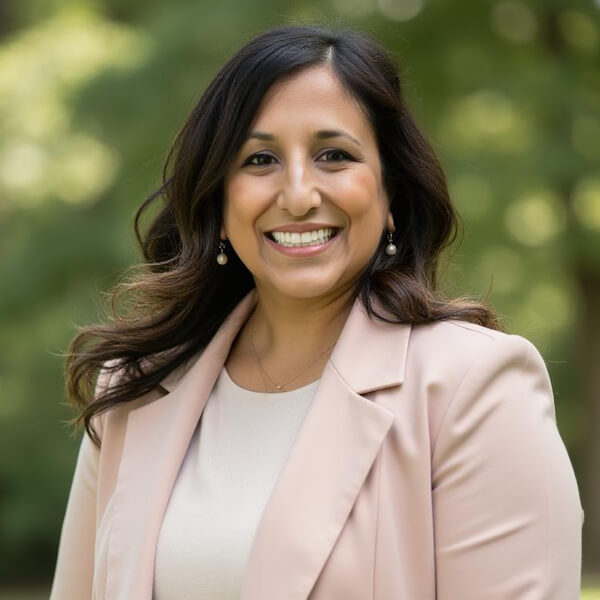
Annie – Cincinnati, OH
Diagnosed with aggressive breast cancer shortly after 30, which later spread, Annie faced a future where carrying a pregnancy was no longer safe. After fertility preservation, IVF with surrogacy, adoption, donor eggs, and heartbreaking loss, she is now the mother of two daughters.
Annie Swanson’s Story
No Stone Unturned
Annie Swanson and her husband, Jason, have walked nearly every path to parenthood.
In 2014, Annie was diagnosed with an aggressive form of breast cancer shortly after her 30th birthday and later faced a metastatic recurrence, making the path to parenthood far more complicated than either of them could have imagined.
In pursuit of a family, they tried many paths: fertility preservation, IVF, surrogacy, adoption, and donor eggs, each one offering hope at the beginning, and many ending in another heartbreak they had to somehow overcome to get to the next.
Their perseverance eventually led to the family they had hoped for, but getting there meant navigating nearly every corner of oncofertility and family-building after cancer at great emotional and financial cost that tested their limits, but never their desire to become parents.
A Diagnosis That Moved the Timeline Up
Before cancer, Annie was working a job she loved, pursuing an MBA, training for a half-marathon, and beginning to date Jason.
She knew she wanted children someday, but “someday” felt far enough away that the very thought of it was allowed to be perfect.
Annie imagined the usual order of things; fall in love, get married, build a life, and then think about having a family.
Cancer changed that.
Almost immediately after diagnosis, Annie found herself talking about chemotherapy, fertility preservation, hormones, treatment timelines, and whether she might still be able to have biological children in the future.
Her first oncologist warned that treatment could have long-term effects on her fertility, and he was not comfortable delaying chemotherapy or exposing her body to the hormones required for fertility preservation.
Annie’s head was spinning. She understood the urgency of treatment, but she was not ready to let cancer take away a future she had not yet had the chance to choose.
So she sought a second opinion.
Four Eggs Lead to Hope
Annie traveled to Dana-Farber Cancer Institute, where she met with a team that better understood both the urgency of treating her cancer and the importance of preserving her ability to have biological children.
They gave her a two-week window to complete one cycle of fertility preservation before starting chemotherapy.
It wasn’t without risk. Because her cancer was hormone receptor-positive, there were concerns that exposure to the hormones used during fertility preservation could give the tumor a growth spurt. Still, for Annie, the risk was worth it to have a family someday.
The retrieval was completed successfully, yielding 4 mature frozen eggs.
Further complicating the matter, Annie and Jason also had to decide whether to freeze eggs or embryos. Freezing embryos could offer a better chance of success, but they were still early in their relationship, an emotionally difficult decision for any couple to make.
So she froze the eggs. And while small in number, they offered her something much larger, hope.
A Stage 4 Recurrence
Annie underwent chemotherapy, a double mastectomy, radiation, and medically induced menopause. Despite the massive changes, life began to settle down.
She started a new job. She and Jason moved into their first home together. They were also planning their wedding.
Then just as soon as life appeared to be as normal as it could be after her initial treatments, her cancer returned, and this time, it had spread to her bones.
Annie underwent another surgery to remove the tumor, including part of her sternum, followed by proton therapy, a highly targeted form of radiation.
It worked, and today her scans are stable, but metastatic breast cancer still shapes her daily life. She remains in active treatment and says that, unless something changes, she will always be in treatment.
Because it wasn’t widely discussed, there was really no “go-to” playbook for deciding when or how to start a family in the wake of advanced-stage cancer, but Annie and Jason knew that having children would fulfill that sense of meaning and purpose they longed to have.
Every Path to Parenthood
Because Annie could not safely carry a pregnancy herself, surrogacy became their path to trying for a biological child. A close family friend, Alexis, offered to carry their child. It was an extraordinary gift.
Annie and Jason fertilized the eggs they had preserved years earlier. Two of the four eggs survived the thaw and were successfully fertilized. Their dream of a biological child rested on those embryos, but the transfer didn’t work.
The loss was devastating. Together, they grieved the biological child they would not be able to have.
It was a heartbreaking reminder of everything that cancer had changed, but they didn’t give up.
Determined to blaze their own trail to have a family, they explored adoption.
Annie, who was adopted as an infant, had always been open to adoption, even before she had cancer.
That journey brought its own heartbreak.
Annie and Jason were matched with a birth mother and spent months preparing to welcome a baby boy. They picked a name, planned a nursery, folded tiny clothes, and let themselves imagine life with him.
At 38 weeks, he was stillborn. They were devastated and emotionally depleted.
Then, just as they were preparing to travel for his funeral, they received a call about another baby.
Saying yes felt impossible and necessary all at once.
That yes led them to their daughter, Rylie, who was born in June 2020. After years of uncertainty, heartbreak, and hope, Annie and Jason were finally parents.
Later, when they began thinking about a second child, Annie and Jason knew they wanted Rylie to have a sibling. But after experiencing both the beauty and heartbreak of adoption, they knew their next path to parenthood might need to look different.
They returned to surrogacy.
The same family friend, Alexis, who offered to be their surrogate the first time around, agreed to do so again.
Using a donor egg, fertilized with Jason’s sperm, Alexis carried their second daughter to term and gave birth to Morgan in 2022.
What Are You Fighting For?
Annie has heard people question whether someone with metastatic breast cancer should become a parent.
“What if you are not around to raise your children?”
For Annie, that question oversimplifies the unique and complicated situation that any cancer patient hoping to have a family someday endures.
For her, Rylie and Morgan are not separate from her cancer story. They gave her life purpose, meaning, and direction after diagnosis, treatment, recurrence, and another round of treatment.
Becoming a parent gave Annie something to keep moving toward.
As she sees it, if you are not going to pursue your dreams or build the life you still want, what are you fighting for?
That question sits at the heart of her story.
For many young adults facing cancer, fertility and family-building are treated like secondary concerns, something to address later, “if there is time,” “if treatment works,” “if life settles down.”
Annie’s story shows why that’s not enough. Family-building was not a side issue; it was part of the life she was fighting to live.
Why Annie Shares Her Story
Today, Annie shares her family-building story because she wants other young survivors, especially those newly diagnosed, to know they are not alone, and that oncofertility may not be just one path.
It can include fertility preservation, IVF, surrogacy, adoption, donor eggs, loss, financial sacrifice, but most importantly, hope for what can still be built after cancer tries to take it away.
Through Worth the Wait, Annie hopes to inspire more people to never give up on their chance to build a family after cancer and to better understand the fulfillment families find in one another’s lives.
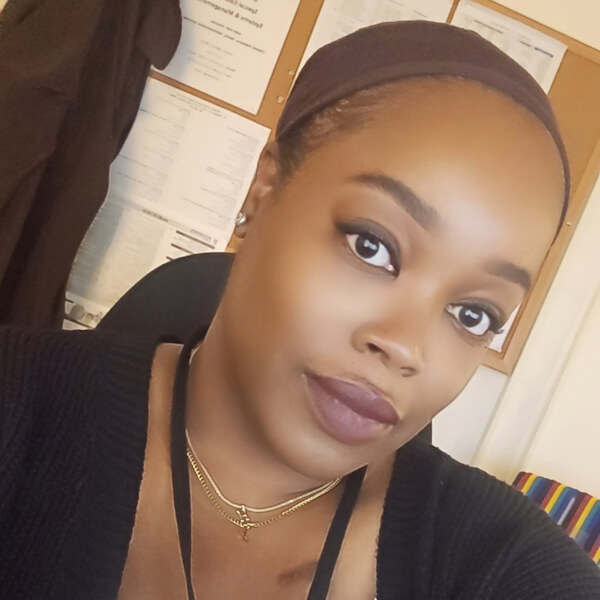
Chantal – Baltimore, MD
While trying to start a family, Chantal was diagnosed with stage 1 non-Hodgkin’s lymphoma and later stage 3 uterine cancer. After preserving embryos and undergoing a hysterectomy, she is now cancer-free and pursuing surrogacy while facing the financial barriers cancer left behind.
Chantal Kabwasa-Henly’s Story
The Dream of Having a Family That Helped Save Her Life
Chantal Kabwasa-Henly and her husband were trying to conceive when she discovered that she had cancer. What she didn’t know was that it wouldn’t be just one cancer journey she’d take, but multiple in the pursuit of her dream to have a family.
In 2019, Chantal and her husband decided they were ready to start a family. When they couldn’t conceive, Chantal’s background working at a fertility clinic told her not to wait and hope for the best. Something felt off, and she wanted answers.
During that search, doctors made a startling discovery, diagnosing her with stage 4 endometriosis. Because of the advanced stage, they told her that her only chance of having a child would be through fertility treatment.
It was a devastating revelation, but all hope wasn’t lost because she still had options.
Two years later, while preparing for a procedure to remove polyps connected to endometriosis, Chantal developed a painful lump in her groin. She asked her doctor to remove it during the same procedure, and they agreed. Pathology later revealed stage 1 non-Hodgkin lymphoma.
The Fertility Conversation Chantal Had to Bring to Her Doctors
Chantal met with two oncologists. Neither brought up fertility preservation nor asked if she wanted children someday. And as shocking as this might seem, it’s not uncommon.
According to a 2024 Journal of the American Medical Association Network Open study, found that only about half of reproductive-age patients with early-onset cancer reported having a fertility preservation discussion with a health-care professional before treatment began.
Because Chantal had worked at a fertility clinic, she knew to ask about fertility preservation before starting cancer treatment. She also knew that once chemotherapy began, there were no guarantees about what treatment would mean for her future to have a biological family.
When she advocated for herself and brought the conversation to her doctors, the response was almost as heartbreaking as the diagnosis she was trying to process.
For Chantal, that interaction left her with a different kind of scar. Unlike the physical reminders cancer would leave behind, this one was invisible, but the cause of it was no less painful.
All Chantal wanted was for her care team to see the whole future she was fighting for, not just the cancer in front of them.
After a back-and-forth with her medical team, Chantal decided to delay treatment long enough to preserve eggs, which were fertilized into embryos. Four were frozen.
A New Surgery and Diagnosis that Changed Everything
Following the cancer treatment, her fertility team attempted one embryo transfer, but it was unsuccessful.
Before they could attempt another transfer, doctors discovered a rapidly growing cyst. Chantal underwent emergency surgery in August 2023, a procedure that permanently changed her path to parenthood.
Chantal endured an eight-hour surgery and had a hysterectomy.
When she woke up, she did not need a long explanation to understand what had changed. Her possibility of carrying a child was gone.
It was the outcome she had feared most.
The loss was immediate and deeply personal. She had already fought to preserve embryos before cancer treatment. She had already endured a failed transfer. And now, before she and her husband could try again, the path to parenthood had shifted once more.
As Chantal was still absorbing the loss of her ability to carry a child, the results from surgery brought another devastating answer: stage 3 uterine cancer.
While her remaining embryos remained frozen, she underwent three years of cancer treatment, ultimately being declared cancer-free in spring 2026.
After everything cancer had already taken, Chantal and her husband were left facing another fight; the only path to the family they had spent seven years trying to build now required a surrogate.
The Cost of a Different Path
As Chantal rang the bell at her last oncology appointment, and others celebrated her for being cancer-free, she knew that its imprint on her life might have faded, but would never wash away permanently.
This is an overlooked aspect for many survivors, especially young adults who hope to have a family someday.
Chantal was fortunate that her insurance helped cover much of her IVF care, but surrogacy is a much different story. The cost of surrogacy is staggering, exceeding $100,000, and it is generally not covered by insurance.
She’s applied for grants, reached out to insurance companies, and even started a GoFundMe, all in the hopes of getting one step closer to making their family dreams come true.
That search led her to Worth the Wait, where she received a grant to support her family-building journey. The grant didn’t erase the cost of surrogacy, but served as a reminder that Chantal and her husband were not alone in this journey.
Why Chantal Speaks Up
Chantal wants cancer care teams to better understand that family-building conversations and how they’re approached with patients carry a lot of weight. For young cancer patients, especially those who hope to have children, fertility is not a side issue; it’s part of the life they are trying to build after cancer.
Because of her work experience, Chantal knew she was in a position that many patients are not. Her background working in a fertility clinic gave her the language to ask questions, challenge responses, and keep fighting for the future she still wanted.
She wants patients to feel empowered to speak up and push back when their family-planning goals are not being taken into account or seriously considered.
And she wants policymakers to understand that surrogacy should not be treated as a luxury, because even though cancer took away her ability to carry a child, it should not take away her hope of having one.
Through Worth the Wait, Chantal hopes to help more people understand that comprehensive cancer care must include the futures patients hope to build, including the chance to one day have a family.
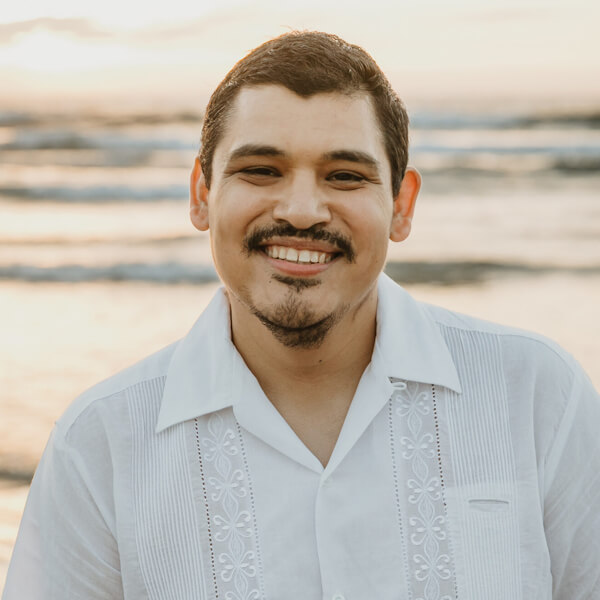
Aaron – San Diego, CA
After his wife survived thyroid cancer, Aaron was diagnosed with testicular cancer, and surgery made conception without Assisted Reproductive Technology impossible. Through sperm banking and IVF, Aaron and his wife are now proud parents to their daughter.
Aaron Albanez’s Story
Building a Family as Two Cancer Survivors
When Aaron Albanez thinks about oncofertility, he thinks about what it means to build a family after cancer has touched both partners.
His wife was diagnosed with thyroid cancer in 2015. Two years later, Aaron was diagnosed with testicular cancer.
They were both young. They were both facing cancer. But their diagnoses, treatments, and fertility risks were very different.
For Aaron, testicular cancer created an immediate and permanent fertility issue. His care team quickly brought up sperm banking because his treatment path would directly affect his ability to have biological children.
His wife’s thyroid cancer treatment did not carry the same fertility risk profile. But her cancer history still became part of their family-building journey later, especially as they moved through IVF and pregnancy.
Together, their experiences showed Aaron how complicated parenthood after cancer can become, even when the path looks different for each survivor.
An Unbreakable Bond Strong Enough to Survive Devastating Diagnoses
Aaron and his wife have known each other since sixth grade. They met through a mutual friend in middle school and began dating during their junior year of high school. By the time cancer touched their lives for the first time, their years together had forged a strong bond, which was uncommon for a couple that young.
Following his wife’s thyroid cancer diagnosis, she had surgery and radioactive iodine treatment. Aaron was by her side, joining conversations with doctors about her treatment and what would come next.
Then came Aaron’s diagnosis: testicular cancer. With both testicles impacted, Aaron’s care team had to move not only quickly but carefully. One was completely full of cancer cells, with no normal tissue left. The other had severe enough damage that it also needed to be removed.
Seemingly overnight, fertility preservation became an urgent conversation. His care team strongly recommended he bank sperm after the first surgery and before the second, which took place a few months later. He did.
Following both surgeries, Aaron was cancer-free.
IVF, the Only Path Forward
Because of Aaron’s cancer surgeries, natural conception was never going to be an option for him and his wife.
When they decided to pursue parenthood, IVF became their path. But their journey was shaped by both of their cancer histories, something they didn’t realize at the time.
Aaron’s cancer-related fertility complications had been discussed immediately. His wife’s thyroid cancer history became more relevant later, as they moved through IVF and pregnancy.
For Aaron, that difference made him think more deeply about how family-building conversations happen after cancer. Even when fertility preservation is not clearly indicated, young patients may still need guidance about timing, medications, follow-up care, and what treatment could mean for future pregnancy.
For example, careful follow-ups were needed with his wife’s endocrinologist to ensure her thyroid medication was at the correct dose. Even a slight miscalculation could have led to high-stakes complications through a fertility treatment process that was already equal parts taxing to their mental health and their bank account.
The Cost, the Grant, and the Hope
The financial burden was severe enough that Aaron’s mom helped him and his wife research different options. They decided to work with a financial coordinator, who connected them with organizations that offer IVF grants. Worth the Wait was one of them.
They applied for and received a grant that helped support their IVF treatments.
Aaron and his wife know how fortunate they were. IVF does not work for everyone, and it often takes more than one try.
For them, a single IVF cycle and one embryo transfer led to the outcome they had hoped for. In spring 2026, they welcomed their daughter.
After everything cancer had changed, her arrival became a living reminder of what oncofertility can make possible.
The Moment Everything Was Worth It
Aaron still feels the reminders of cancer.
His wife takes thyroid medication. Aaron gives himself weekly testosterone injections as part of hormone replacement therapy. Even now, watching others announce pregnancies can stir complicated emotions in him, because for many cancer survivors and patients, the path to pregnancy is far from simple.
Aaron and his wife had to find an IVF clinic they trusted. Then, they had to make sure that the center was connected with their healthcare team. After that, they had to gather the funds. And finally, they had to assemble all of the information about both of their cancer histories.
It was an exhausting process cancer had forced upon them. And then their daughter arrived, a world-changing moment.
A Natural Health Advocate
Aaron has been living with type 1 diabetes since childhood. Today, he works as a diabetes educator, helping people understand a condition that demands constant attention. That experience shapes the way he talks about cancer, infertility, and advocacy.
When he was younger, diabetes felt isolating because he didn’t know anyone else like him. That changed when he attended a diabetes camp and met other people living with the same condition.
Now, Aaron brings that same philosophy to oncofertility.
Like his childhood attendance at a diabetes camp, an invitation to speak at an oncofertility conference opened the door into another world. It was one that allowed him to share his deeply personal experience, including the hope that all is not lost for family building following a cancer diagnosis.
He realized if even one person feels less alone, the fear, the frustration, the cost, the uncertainty…and the hope someone may find something they can hold onto is worth it.
Alongside Worth the Wait, Aaron hopes his story can help others understand that cancer may change the path to parenthood, but shouldn’t erase it. By advocating for oncofertility to become a two-way conversation between patients and care teams, regardless of cancer type, he believes that more couples can live with hope for a future family, in spite of a devastating diagnosis.
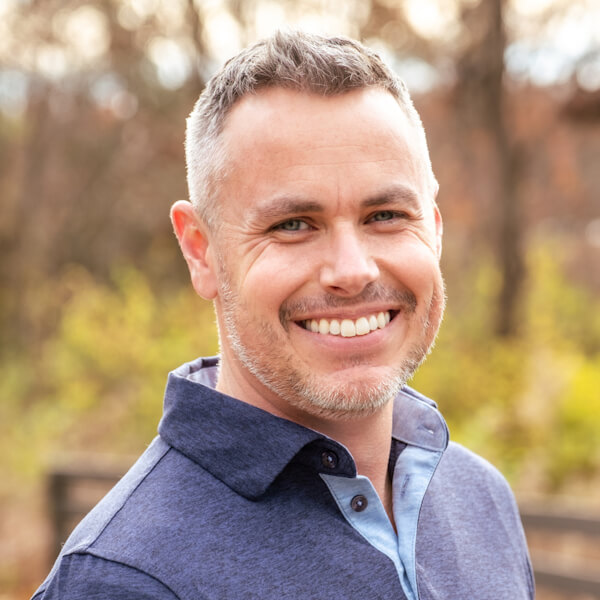
Mike – Columbus, OH
Diagnosed with testicular cancer at 26, Mike banked sperm before treatment, but later faced infertility after cancer. After seven rounds of fertility treatments, he and his wife, Megan, welcomed their son Elliott and went on to found Worth the Wait.
Mike Scherer’s Story
Why Are We Saving Lives?
Mike Scherer has heard doctors say their first job is to save a cancer patient’s life.
He agrees. But after surviving testicular cancer, facing infertility, and helping other survivors through Worth the Wait Charity, Mike now asks a deeper question:
“Why are we saving lives if we are not helping people live them?”
For Mike and his wife, Megan, that question is deeply personal. It began with a cancer diagnosis at 26, a recommendation to bank sperm before treatment, and a family-building journey that would eventually become the mission behind Worth the Wait Charity.
A Young Marriage Interrupted by Cancer
Mike and Megan were 23 when they got married. Three years later, Mike was diagnosed with testicular cancer.
At the time, starting a family was not top of mind. Survival was.
Mike was officially diagnosed in 2011. His symptoms had been building for months, including intermittent testicular pain and chest pain.
After seeking a medical opinion, an ultrasound revealed a tumor in his right testicle, and bloodwork confirmed tumor markers pointing to an aggressive form of testicular cancer called non-seminoma.
Mike had surgery and chemotherapy before being declared cancer-free the following year.
During that time, Megan became his caregiver. Together, they focused on getting through treatment and finding their way back to a “normal” life, before the cancer, something that many aspire to, but find is seldom the case.
The Conversation That Preserved an Option
Mike says his oncofertility story started the day he was diagnosed, even though he did not have the language for it yet.
His doctor advised him to bank sperm.
The discussion wasn’t long because family planning wasn’t top of mind. But the message was clear enough: the treatment Mike was about to receive could affect his fertility, and sperm banking could preserve an option they might need later.
Mike understood the basic reason. But he did not fully understand how important that decision would become.
In fact, Mike says if he had been making the decision alone, he probably would not have banked sperm. However, because he was married and there was discussion on having a family someday, he and Megan made that decision together.
He had no idea how important that one decision would come to be, because not every young adult facing cancer has a partner sitting beside them. Not every patient has someone helping them think beyond the immediate fear of diagnosis and treatment.
For Mike, that is part of the inequity in oncofertility care. Fertility preservation cannot fall into place by chance. He believes that patients should not have to be lucky enough to have the right doctor, the right partner, or the right timing.
When Cancer Was Over, Infertility Began
After treatment, Mike and Megan worked hard to feel like life was finally moving forward again.
About two years after Mike was cancer-free, they decided to try to start a family. That is when their fertility journey began.
They tried on their own first, and it was an emotional struggle that sent them into a world of “endless appointments, fertility treatments, unanswered questions, and uncertainty.”
What made the process even harder was the cost. Mike says one of the biggest reasons he and Megan started Worth the Wait was the lack of personal insurance coverage. Fertility treatments became a 100% out-of-pocket expense, adding another layer of financial toxicity to life after cancer.
After seven intrauterine insemination treatments, Mike and Megan learned they were expecting, and their son Elliot was born. Becoming a father gave Mike a deeper understanding of what fertility preservation can make possible, and he made a fleeting decision years ago to bank sperm, which seemed unimportant to the realities of the present, one of the most important decisions he had made in his young life.
From Personal Experience to Purpose
Mike and Megan began talking about how they could give back.
At first, they considered supporting other nonprofits. But after reflecting on their own experiences, what stood out to them most was a deeply personal gap widely overlooked. Cancer survivors who wanted to become parents (even if they didn’t know it at the time of diagnosis) were often left to navigate challenges on their own.
They believed they could do something more personal for survivors facing fertility issues after cancer.
In June 2021, Mike and Megan founded Worth the Wait.
What began with their own experience has grown into a nonprofit dedicated to supporting young adult cancer survivors navigating fertility preservation and family-building after cancer. The organization provides support for paths that may include fertility preservation before treatment and infertility treatments, adoption, and surrogacy after treatment.
Mike says this work is not only about helping people have children, but it’s also about helping survivors reclaim the future that cancer threatened to take away.
The Survivorship People Deserve
Mike wants people to understand that cancer survivorship is layered.
Cancer is rarely over the day treatment ends. A survivor can work hard to rebuild a normal life, only to be thrown years later back into grief, anger, isolation, or uncertainty because of what cancer may have taken from them.
For some survivors, that loss is the possibility of becoming a parent.
Mike sees oncofertility as a common-sense issue. If life-saving treatment affects someone’s ability to have children, then fertility preservation and family-building support should not be treated as optional luxuries. They should be part of the conversation from the beginning.
He also believes the conversation cannot be a one-time checkbox. Doctors, hospitals, caregivers, policymakers, and survivors all play a role in ensuring young adults understand their options.
And for survivors who are already in the middle of infertility after cancer, Mike’s message is simple: you are not alone.
Infertility after cancer can feel isolating. It can feel hopeless. It can feel like hearing “it didn’t work” over and over again with no clear path forward. But Mike wants survivors to know that others have been there too. There may still be options. There is support. There is hope.
Mike’s story is a reminder that survivorship should mean more than being alive. It should mean having the chance to live the life you fought for during treatment.
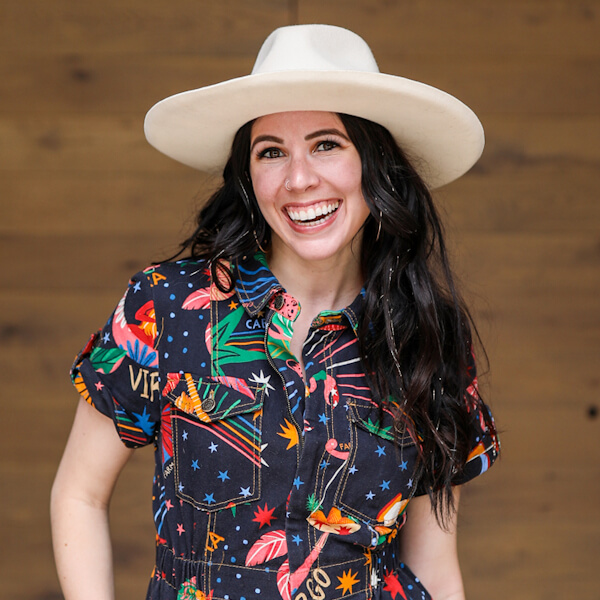
Greta – Nashville, TN
Greta was trying to have a baby when she was diagnosed with breast cancer at 33. A content creator now sharing the realities of fertility following cancer, Greta continues pursuing family-building after freezing her eggs, having her ovaries removed, and difficulties with embryo transfers.
Greta Hollar’s Story
A Family, One Way or Another
Greta Hollar and her husband started trying to start a family in the summer of 2022.
What unfolded was almost impossible to process in real time.
Greta went from trying to have a baby to fighting cancer, from urgent fertility preservation to cancer treatment, and from one unexpected medical turn to another before learning that the path she and her husband had counted on might not work.
It was one unexpected medical turn to another, before facing a heartbreaking revelation about the future she and her husband had been fighting for.
Through it all, they kept moving forward.
“We’re going to have a family one way or another.”
That determination sits at the center of Greta’s story. Cancer changed her body and her plan. And when the family-building paths they had counted on failed, Greta and her husband had to find the strength to hope again.
A Breast Cancer Diagnosis at 33
When Greta didn’t get pregnant, she and her husband started to worry. After consulting her doctor, she was prescribed an oral fertility medication to see if it might help them conceive.
After several months of treatment and trying, Greta and her husband decided to take a break.
A couple of weeks later, she found a lump.
Everything moved quickly after that.
What started as a pause in fertility treatment became a doctor’s appointment, then testing, then the words Greta never expected to hear: breast cancer.
By June of the following year, the question Greta and her husband had been asking was no longer only, “Why aren’t we getting pregnant?” It became, “Will we be able to get pregnant now?”
Preserving Hope Before Treatment
Because her care team already knew that Greta and her husband had been actively trying to get pregnant, fertility preservation quickly became part of the conversation.
Before starting chemotherapy, Greta was given a short window to freeze her eggs.
She did, undergoing the treatment on a Sunday, and started chemotherapy the very next day.
There was no time to process what was happening. Greta had gone from trying to grow her family without medical intervention to making immediate decisions to preserve that dream almost overnight.
Around that same time, doctors also discovered stage 4 endometriosis, which helped explain why Greta had been having difficulty getting pregnant and why her fertility was already more complicated than she knew.
Genetic testing also revealed a BRCA2 mutation, increasing her risk for ovarian cancer.
Greta went through four rounds of chemotherapy, a double mastectomy, and reconstruction. Then, because of her increased cancer risk and the extent of the endometriosis, she made the difficult decision to have her ovaries removed.
That decision changed what family-building could look like for Greta and her husband. Without her ovaries, Greta could no longer produce eggs, making the fertility preservation before chemotherapy even more important to the future they hoped to build.
The mental toll was unbearable. She was in survival mode.
The Backup Plan That Nearly Broke Her
For a long time, Greta and her husband held onto the hope that the eggs retrieved before chemotherapy would help them build their family.
Two years later, after being on hormone therapy, Greta was given the opportunity to pause medication and try to move forward with family-building.
But when Greta and her husband used her eggs to make embryos, it didn’t work. Doctors told Greta that even though she froze them before chemo, her egg quality was poor, likely due to her past endometriosis diagnosis.
After years of fertility preservation, cancer treatment, surgery, recovery, and waiting, Greta and her husband had finally reached the moment they had been holding onto.
Instead, they were grieving another loss.
Still, Greta and her husband did what they had already done so many times before.
They kept going.
They began exploring other paths to family-building, carrying forward the same promise that has guided them from the beginning: one way or another, they are going to have a family.
The Cost of Trying Again
Greta and her husband are both self-employed, which means they don’t have the kind of health insurance that makes fertility treatment conveniently accessible.
Fertility care was not covered under their plan.
In addition to cancer-related medical bills, they had already paid for fertility preservation. And now, as they tried to take the next step to have a baby, the financial burden was overwhelming.
While researching grants and support, they connected with Worth the Wait, which awarded a grant to help with their family-building journey.
For Greta, the support mattered not only because of the financial burden of IVF, but because it validated how real and difficult this part of survivorship can be.
Her cancer treatments ended, but their impact on fertility and family-building continues as she and her husband continue the conversation about what’s next.
No One Was Talking About It
Greta is a content creator, and she began sharing her cancer experience online after her diagnosis.
At first, her message was about awareness and early detection. She wanted people to understand that cancer can happen even when someone is young, healthy, and active. She heard from people who scheduled mammograms or got suspicious symptoms checked because they saw her talk about her experience.
But as Greta moved farther from active treatment and deeper into the fertility side of her story, her advocacy began to shift.
She started talking more about fertility after cancer because she was looking for support herself.
She could find people talking about breast cancer treatment, surgery, and survivorship. When it came to fertility after cancer, especially the complicated emotions and decisions that come with it, she had a harder time finding people who were openly sharing.
So she started talking, and people started responding.
Finding Hope in the Gray
Greta wants people to understand that family-building after cancer isn’t always black-and-white because the initial pathway seldom leads to the finish line.
But Greta also believes the gray can still hold hope.
That’s the message she hopes reaches other young adults facing cancer and infertility: there are options. There is support. There is still hope, even when one path reaches a dead end, and you have to try again.
You can follow her journey on Instagram, @GretaHollar.
Through Worth the Wait, Greta hopes to help others feel less alone and better prepared to ask questions about fertility, family-building, and life after cancer.
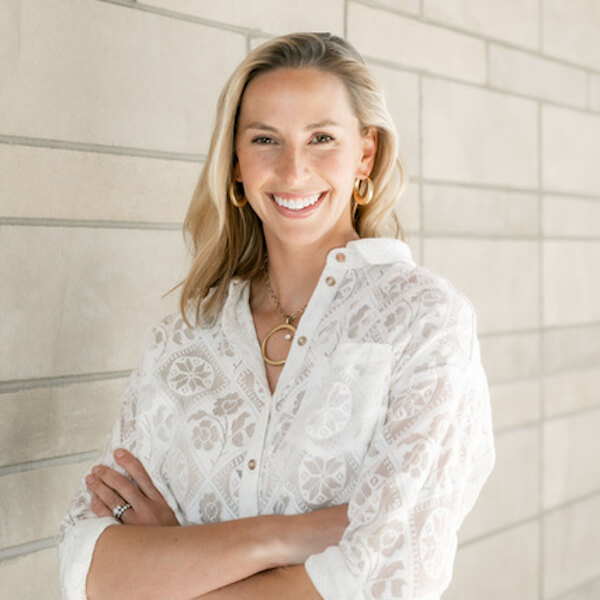
Nina – Denver, CO
Diagnosed with stage 4 non-Hodgkin’s lymphoma at 24, Nina was reassured that chemotherapy would not affect her fertility. Years later, testing showed it had, and she now uses her platform to show the raw reality of survivorship, fertility preservation, and life after cancer.
Nina Ryan’s Story
Preserving a Future She Wasn’t Ready to Plan
Nina Ryan was three years cancer-free when one question changed the course of her survivorship:
“Did my cancer treatment affect my ability to have children?”
She wasn’t trying to get pregnant. She wasn’t married. She wasn’t even engaged.
She was simply a young cancer survivor beginning to think about the future it had almost taken from her. A fact, she didn’t know at the time.
That question led to a devastating answer. Chemotherapy had substantially impacted her fertility, despite an assurance from her doctors that it would not.
Suddenly, Nina was not only looking back at what she had survived. She was looking ahead at what seemed far less possible…a family.
A Former College Athlete and Strange Symptoms
In late February 2020, Nina, an otherwise healthy 24-year-old living in New York, started experiencing symptoms she couldn’t explain: body aches, night sweats, and weight loss.
A graduate of the University of North Carolina at Chapel Hill and a former Division I rower, Nina was used to pushing through hard things.
From countless hours of rowing and the resulting sore muscles, she knew something about her symptoms wasn’t quite right. Trusting her gut, she went to the emergency room. Doctors ran a CT scan and blood tests, but said everything looked normal.
She continued to feel far from normal.
A Cancer Diagnosis During a Global Pandemic
Nina talked with her dad, a pharmaceutical industry expert who understood that unexplained symptoms can sometimes point to something more serious.
Pushing for answers, Nina traveled to Philadelphia, where she underwent further testing, including multiple biopsies.
A week and a half later, the day before COVID-19 was declared a global pandemic, she received devastating news: stage 4 non-Hodgkin lymphoma, specifically diffuse large B-cell lymphoma.
As the world moved into an unprecedented time, so did her health and mental well-being.
Over the next six months, Nina endured six rounds of chemotherapy without the support systems that come standard for most patients, as the number of people who could accompany her to treatment was extremely restricted. It was a time, unlike any other, when being immunocompromised meant being cut off from nearly everyone outside her closest circle.
Thankfully, in August, Nina’s final scan deemed her cancer-free.
But this is where Nina says her cancer story ended and her survivorship story began.
The Question No One Followed Up On
Like many young adults facing cancer, Nina’s focus during treatment was survival.
Still, she wondered about her future.
Would she still be able to have children someday? So, she asked.
Nina says she was reassured that chemotherapy would not affect her fertility, and told that other women undergoing the same treatment were able to conceive naturally, a vivid conversation that would make a later finding sting even more.
After all, she was in the clear. Why would she think to press the envelope about fertility preservation before treatment, the long-term risks associated with chemotherapy, or outline a plan for monitoring her fertility after treatment?
Believing the possibility of future family plans would remain intact, Nina focused on beating cancer.
But in survivorship, the fertility question Nina thought had been answered came back with renewed urgency.
The Marathon, the Question, and the Painful Answer
Three years later, Nina ran the New York City Marathon for lymphoma research.
After the race, she had a seemingly random thought that set the table for a second devastating revelation:
“Is it possible my cancer treatment actually did affect my ability to have kids?”
Once again choosing to trust her gut, Nina sought fertility testing and learned the truth: chemotherapy had substantially impacted her fertility.
Her path forward was freezing her eggs or embryos immediately, not to get pregnant right away, but to preserve the possibility of building a family in the future.
Post-Treatment Fertility Preservation
For many young adults with cancer, fertility preservation is framed as a conversation that should happen before treatment begins. For some, the conversation does not happen at all. For Nina, it happened, but it was short-lived and ended with reassurance that her chemotherapy would not affect her fertility.
Years later, survivorship revealed a different reality.
Nina was not making immediate plans for motherhood. She was still years away from knowing exactly what her future family might look like. At the time, she had recently started dating Liam, who is now her husband.
But her fertility timeline was narrowing, and waiting for her personal life to become more settled could mean losing the chance to preserve her future family-building options.
So Nina had to make a decision most young survivors are never prepared to face. Either wait until she is in a more formal partnership, or move forward with embryo preservation.
After many deeply emotional conversations with Liam, they chose to move forward.
Because only a small number of eggs were retrieved, Nina and Liam were told the most successful path would be to fertilize them.
The Cost of Preserving Hope
Nina was quoted $60,000 out of pocket for her post-treatment fertility preservation, an amount that felt impossible to overcome for someone who had already survived a life-threatening diagnosis.
As she searched for support, Nina found Worth the Wait. She applied for and received a grant that helped pay for fertility preservation.
After three rounds of fertility preservation, Nina now has three frozen embryos. They don’t guarantee the family she hopes for, but they preserve something cancer treatment nearly took away, hope.
Why Survivorship Matters
Today, Nina uses her story to advocate for young adult cancer survivors and for a broader understanding of survivorship, life after cancer.
To her, survivorship means more than mere survival. It means having the education, support, and follow-up care needed to live fully after treatment ends.
Her message is clear: cancer care cannot stop when treatment ends or when the bell is rung. Young survivors deserve to understand the possible long-term side effects of treatment, including how chemotherapy may impact fertility. They deserve earlier conversations, better follow-up, and support that helps them plan for the lives they still hope to build, even if they’re too young to be making those decisions.
Through Worth the Wait, Nina hopes to help change the experience for others. She shares her story because she knows what it feels like to survive cancer, only to uncover the next crisis years later.
Nina has shared her experience publicly through social media, including Instagram at @Nina_Ryan, using her platform to show the rawness, vulnerability, and reality of life during and after cancer.
Kate – Seattle, WA
After an abnormal brain scan was monitored for years, surgery confirmed Kate had brain cancer. While navigating treatment decisions, she chose to freeze her eggs to protect future family-building options before cancer could take that choice away.
Kate Bautista’s Story
A Brain Scan Leads to Uncertainty….then Cancer
Kate Bautista’s brain cancer was found by accident.
It was 2018, and Kate found herself inside an MRI machine. Her ear, nose, and throat doctor ordered a scan because of persistent dizziness and lightheadedness.
What doctors found baffled them and was far more concerning.
It looked like it could be a tumor, but Kate had no signs, no symptoms, and otherwise felt normal. With no prior scans to compare this abnormality to, they weren’t ready to leap to conclusions.
Was this something she was born with? Or, a slow-growing tumor?
For three years, doctors watched it. Her brain scans were consistent. No changes.
Then, in 2021, on what was supposed to be her last scan before doctors ruled out a slow-growing tumor, it changed.
Kate sought a second opinion at the University of Washington, where she was told it was a glioma. She underwent surgery where doctors removed 98% of the tumor, but not all of it. A small portion remained because removing it all risked permanent vision loss.
Following the surgery, testing confirmed it was a grade 2 astrocytoma, a type of glioma. Glioma usually presents when the patient becomes symptomatic. She was asymptomatic at the time, and still is.
Because of the slow nature of the tumor’s growth, neither chemotherapy nor radiation was needed right away, so her care team continued to monitor her.
While everyone was watching the cancer, one part of Kate’s future was not addressed soon enough: fertility.
The Future No One Brought Up
Kate brought up fertility preservation early because, as a registered nurse, she was thinking ahead.
But because chemotherapy and radiation were not immediately on the calendar, the conversation did not move forward.
For Kate, that was the frustrating part. She was not asking because she was ready to become a parent right away. She was asking because she understood that cancer could eventually change what family-building looked like for her.
At that point, time was on her side, but without a clear plan, that time passed.
Years later, when cancer treatment became more likely, the issue returned with new urgency and renewed frustration.
The Cost of Waiting
From the initial scan when doctors discovered the abnormality in Kate’s brain, she had thought about freezing her eggs.
It didn’t take her background in healthcare to assume that she could be dealing with the worst-case scenario at some point, and the thought of future treatment leading to fertility issues was a major concern.
For Kate, that is where the gap was in her care plan. She was thinking ahead. Her care team was only focused on what was right in front of them.
She had an opportunity to invest time to understand the fertility preservation process, coordinate care, and raise money. The latter, for many young adults with cancer, can make fertility preservation feel impossible before they even learn that help is out there.
That’s exactly what happened with Kate. She was not working due to her consistent medical appointments, and the cost felt out of reach.
So she waited.
When Treatment Made the Question Urgent
Years later, Kate’s doctors began recommending cancer treatment.
By then, a newer targeted therapy for her type of brain cancer had become available. Kate had been waiting for that option. Even though it was not traditional chemotherapy, she understood it could still affect reproductive health.
That changed the fertility conversation from a discussion to an action.
Kate started a GoFundMe and began searching online for help, finding both information and organizations that could support parts of the fertility preservation process.
Eventually, she found Worth the Wait, which awarded Kate a grant that helped her move forward with egg freezing before treatment. The grant gave her the chance to protect a future she had been thinking about since the beginning.
Preserving a Possibility
What also makes Kate’s story unique is that she was making this decision as an individual, not as part of an immediate plan to build a family with a partner. She was trying to keep a door open before treatment made that choice harder or impossible.
And for young adults with cancer, Kate believes that chance should not depend on marital status, whether someone knows the right question to ask, has the money ready, or happens to find the right nonprofit through a late-night Google search.
Living With Cancer, Planning for a Future
Kate still lives with brain cancer, meaning that she is still living with uncertainty.
She is still being monitored, making treatment decisions, and planning for a future while managing a disease that has not simply gone away.
For her, fertility preservation was about looking beyond the next scan, the next appointment, or the next treatment decision to say “this future still matters, too.”
Why Kate Speaks Up
Kate hopes her story reaches other young adults with cancer, especially those who may not know fertility preservation is an option or that financial support may exist.
She also wants health careproviders to understand that fertility preservation should be part of care from the beginning, especially for adolescents and young adults, not just when chemotherapy or radiation is scheduled.
And not only when a patient brings it up first.
Kate’s experience shows why timing matters. Waiting can mean fewer choices and quicker decisions, and no young adult should have to discover fertility preservation support only after the clock has already started running.
Through Worth the Wait and the Oncofertility Speakers Bureau, Kate hopes to help make fertility preservation a standard part of the cancer conversation, so more patients have the chance to protect the futures they may still want to build.
What Voices Speakers Bureau Members Do
- Participate in interviews with broadcast/print/web-based media
- Attend virtual media training workshops
- Promote oncofertility awareness
Thank you Sponsors
Platinum Level Sponsor:
Gold Level Sponsors:


Bronze Level Sponsors: