
Nina
Denver, CO
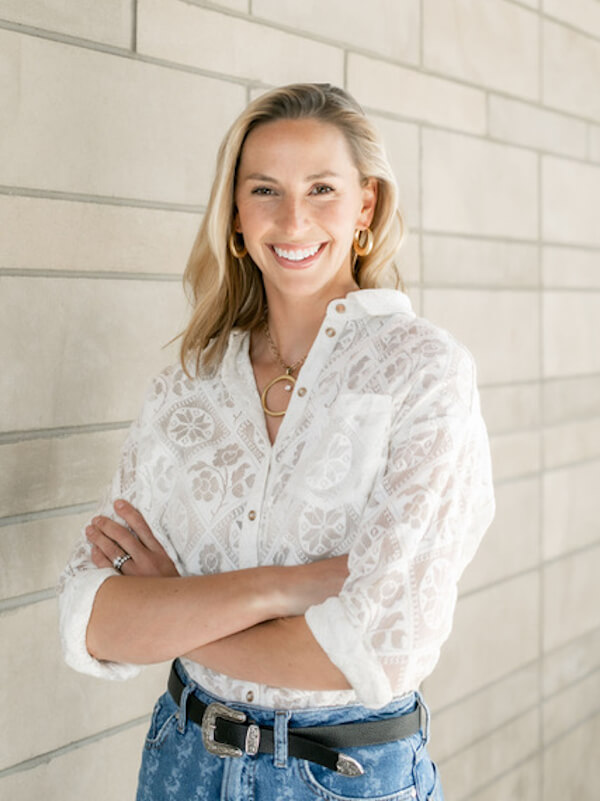
Nina Ryan’s Story
Preserving a Future She Wasn’t Ready to Plan
Nina Ryan was three years cancer-free when one question changed the course of her survivorship:
“Did my cancer treatment affect my ability to have children?”
She wasn’t trying to get pregnant. She wasn’t married. She wasn’t even engaged.
She was simply a young cancer survivor beginning to think about the future it had almost taken from her. A fact, she didn’t know at the time.
That question led to a devastating answer. Chemotherapy had substantially impacted her fertility, despite an assurance from her doctors that it would not.
Suddenly, Nina was not only looking back at what she had survived. She was looking ahead at what seemed far less possible…a family.
A Former College Athlete and Strange Symptoms
In late February 2020, Nina, an otherwise healthy 24-year-old living in New York, started experiencing symptoms she couldn’t explain: body aches, night sweats, and weight loss.
A graduate of the University of North Carolina at Chapel Hill and a former Division I rower, Nina was used to pushing through hard things.
From countless hours of rowing and the resulting sore muscles, she knew something about her symptoms wasn’t quite right. Trusting her gut, she went to the emergency room. Doctors ran a CT scan and blood tests, but said everything looked normal.
She continued to feel far from normal.
A Cancer Diagnosis During a Global Pandemic
Nina talked with her dad, a pharmaceutical industry expert who understood that unexplained symptoms can sometimes point to something more serious.
Pushing for answers, Nina traveled to Philadelphia, where she underwent further testing, including multiple biopsies.
A week and a half later, the day before COVID-19 was declared a global pandemic, she received devastating news: stage 4 non-Hodgkin lymphoma, specifically diffuse large B-cell lymphoma.
As the world moved into an unprecedented time, so did her health and mental well-being.
Over the next six months, Nina endured six rounds of chemotherapy without the support systems that come standard for most patients, as the number of people who could accompany her to treatment was extremely restricted. It was a time, unlike any other, when being immunocompromised meant being cut off from nearly everyone outside her closest circle.
Thankfully, in August, Nina’s final scan deemed her cancer-free.
But this is where Nina says her cancer story ended and her survivorship story began.
The Question No One Followed Up On
Like many young adults facing cancer, Nina’s focus during treatment was survival.
Still, she wondered about her future.
Would she still be able to have children someday? So, she asked.
Nina says she was reassured that chemotherapy would not affect her fertility, and told that other women undergoing the same treatment were able to conceive naturally, a vivid conversation that would make a later finding sting even more.
After all, she was in the clear. Why would she think to press the envelope about fertility preservation before treatment, the long-term risks associated with chemotherapy, or outline a plan for monitoring her fertility after treatment?
Believing the possibility of future family plans would remain intact, Nina focused on beating cancer.
But in survivorship, the fertility question Nina thought had been answered came back with renewed urgency.
The Marathon, the Question, and the Painful Answer
Three years later, Nina ran the New York City Marathon for lymphoma research.
After the race, she had a seemingly random thought that set the table for a second devastating revelation:
“Is it possible my cancer treatment actually did affect my ability to have kids?”
Once again choosing to trust her gut, Nina sought fertility testing and learned the truth: chemotherapy had substantially impacted her fertility.
Her path forward was freezing her eggs or embryos immediately, not to get pregnant right away, but to preserve the possibility of building a family in the future.
Post-Treatment Fertility Preservation
For many young adults with cancer, fertility preservation is framed as a conversation that should happen before treatment begins. For some, the conversation does not happen at all. For Nina, it happened, but it was short-lived and ended with reassurance that her chemotherapy would not affect her fertility.
Years later, survivorship revealed a different reality.
Nina was not making immediate plans for motherhood. She was still years away from knowing exactly what her future family might look like. At the time, she had recently started dating Liam, who is now her husband.
But her fertility timeline was narrowing, and waiting for her personal life to become more settled could mean losing the chance to preserve her future family-building options.
So Nina had to make a decision most young survivors are never prepared to face. Either wait until she is in a more formal partnership, or move forward with embryo preservation.
After many deeply emotional conversations with Liam, they chose to move forward.
Because only a small number of eggs were retrieved, Nina and Liam were told the most successful path would be to fertilize them.
The Cost of Preserving Hope
Nina was quoted $60,000 out of pocket for her post-treatment fertility preservation, an amount that felt impossible to overcome for someone who had already survived a life-threatening diagnosis.
As she searched for support, Nina found Worth the Wait. She applied for and received a grant that helped pay for fertility preservation.
After three rounds of fertility preservation, Nina now has three frozen embryos. They don’t guarantee the family she hopes for, but they preserve something cancer treatment nearly took away, hope.
Why Survivorship Matters
Today, Nina uses her story to advocate for young adult cancer survivors and for a broader understanding of survivorship, life after cancer.
To her, survivorship means more than mere survival. It means having the education, support, and follow-up care needed to live fully after treatment ends.
Her message is clear: cancer care cannot stop when treatment ends or when the bell is rung. Young survivors deserve to understand the possible long-term side effects of treatment, including how chemotherapy may impact fertility. They deserve earlier conversations, better follow-up, and support that helps them plan for the lives they still hope to build, even if they’re too young to be making those decisions.
Through Worth the Wait, Nina hopes to help change the experience for others. She shares her story because she knows what it feels like to survive cancer, only to uncover the next crisis years later.
Nina has shared her experience publicly through social media, including Instagram at @Nina_Ryan, using her platform to show the rawness, vulnerability, and reality of life during and after cancer.
Family Building After Cancer
Behind every oncofertility statistic is a patient with a dream of family. Our speakers turn lived experience into insight, providing the empathy, education, and advocacy needed to support young adult cancer survivors at every stage of their path to parenthood.